 multiframes
Production Software
Production Software
Production Software
A production system provides the mechanism necessary to execute productions in order to achieve some goal for the system. Productions consist of two parts: a sensory precondition (or "IF" statement) and an action (or "THEN"). If a production's precondition matches the current state of the world, then the production is said to be triggered. If a production's action is executed, it is said to have fired. It represents knowledge in the form of facts and rules. And there is almost always a sharp syntactic distinction between the two. The facts usually correspond to ground instances of logical formulas, i.e. the correspond to predicate symbols applied to constant expressions. Unlike logic-based systems, these facts contain no variables or quantifiers. New facts are produced by inference, observation and user input. Variables are reserved for rules, which usually take a pattern-action form. Rules are put in the system by the programmer or “knowledge engineer” and in most systems cannot arise via the action of the system. In exchange for accepting these limitations, the production system programmer gets a relatively fast program. The result of a production system pattern match is a substitution of constants for variables in the pattern part of the rule. Consequently production systems do not infer general propositions.
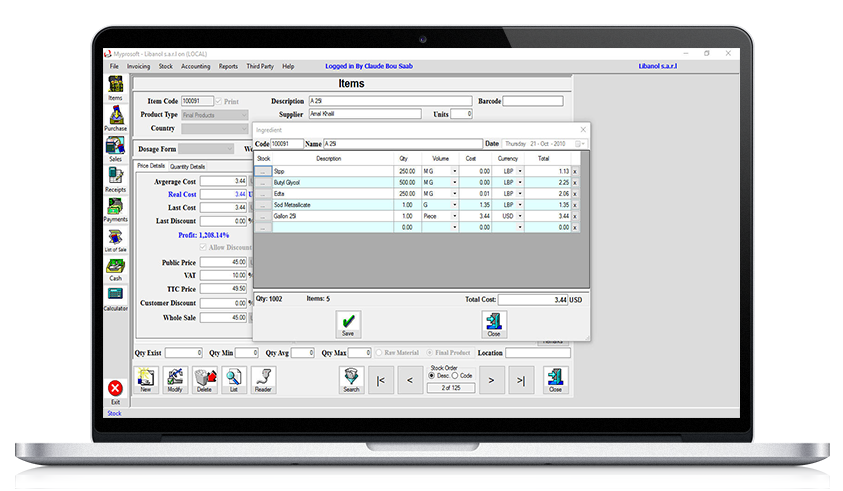
The workplace does not have to be confusing. Sort it out with Production System. Production System takes your clients, workers, and jobs and organizes them in one simple, comprehensive online system. Production System puts an end to workplace confusion. When you meet a prospect, they go into the client database. Everything about that client goes into the database. Next time you interact with that client you have their information on the screen in front of you. Everything about them is at your fingertips.
- Software
- Digital production
- Project delivery
The images and scope shown here document the original Multiframes project.